Beyond Pixels: From Video Priors to 4D Worlds

Zihao Liu1Xiaolong Shen1Zhenglin Zhou1Ruijie Quan1Yi Yang1*

1ReLER, CCAI, Zhejiang University

Corresponding Author

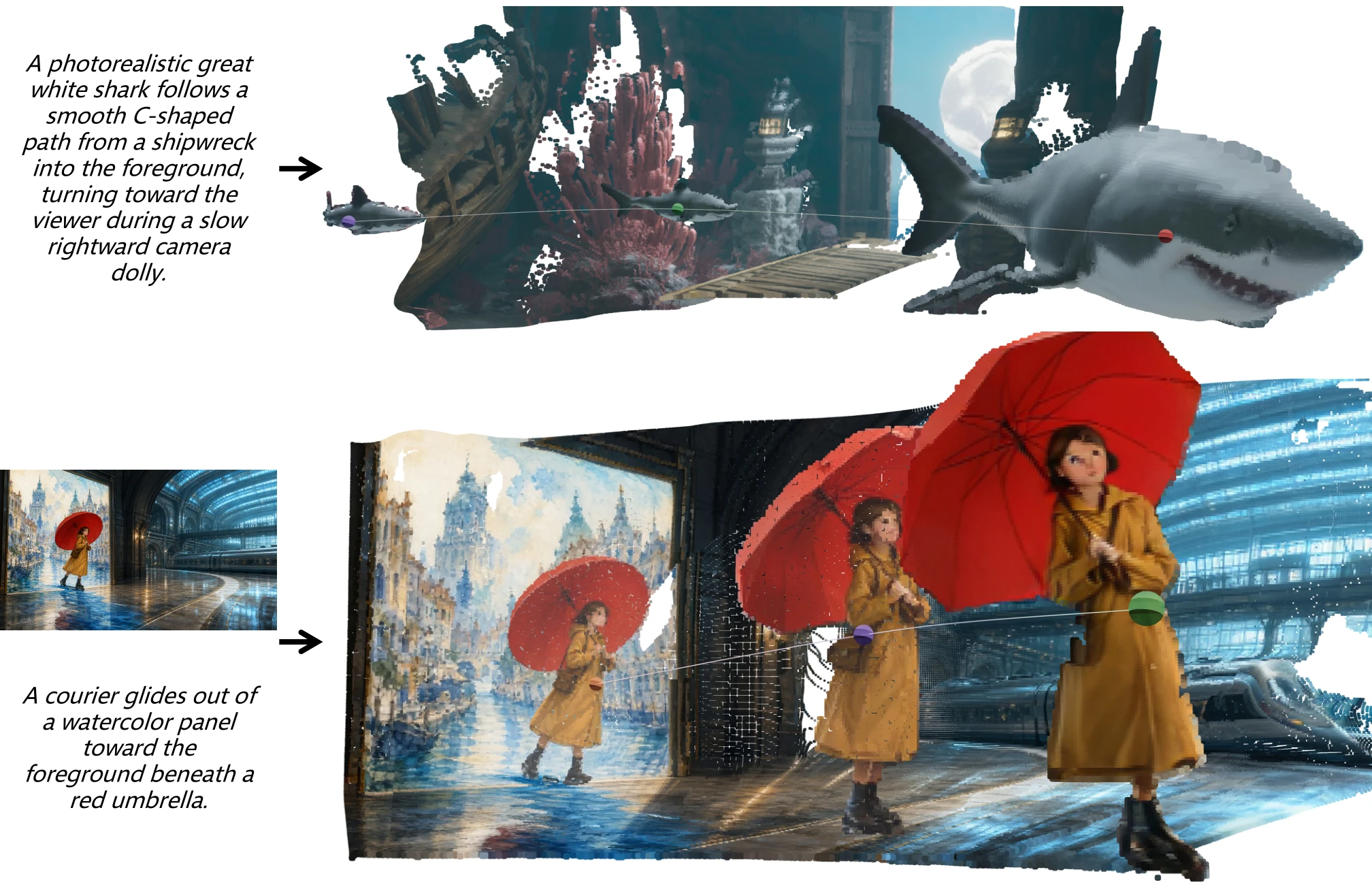
Text-to-4D shark scene and image-to-4D red umbrella courier scene reconstructed as dynamic point clouds
One latent interface for generated 4D. Latent-to-4D lifts terminal video latents into cameras and dynamic world-space point maps across text, image, and controlled generation.
Generality
One L4AR checkpointtransfers across video DiTs sharing the same VAE
Efficiency
≈1K clips · ≈1 h300-step final refinement on 4 GPUs
Performance
+2.88–5.81 DINO-F1with 66.8–72.1% human geometry preference

Abstract

4D generation seeks to synthesize dynamic 3D scenes from conditions such as text and images. Existing systems either reconstruct decoded RGB videos with a separate 4D model—introducing distribution mismatch and cascading errors—or specialize a video generator for geometry prediction, limiting transfer across backbones and conditioning schemes. We instead treat the terminal denoised latent of video DiTs sharing a VAE as a unified interface to explicit 4D prediction. Latent-to-4D bypasses RGB decoding by aligning this latent with a pretrained 4D decoder and refining it through alternating frame-wise and global spatiotemporal attention. Trained on roughly 1K continuous 81-frame clips from six existing reconstruction datasets, one checkpoint transfers unchanged across three compatible conditional DiTs. On Text4D-200 and I4D-200, it improves DINO-F1 over matched Wan+4RC cascades by 2.88–3.45 and 5.81 points, respectively; multi-view human evaluation also favors its geometry, completeness, and temporal stability.

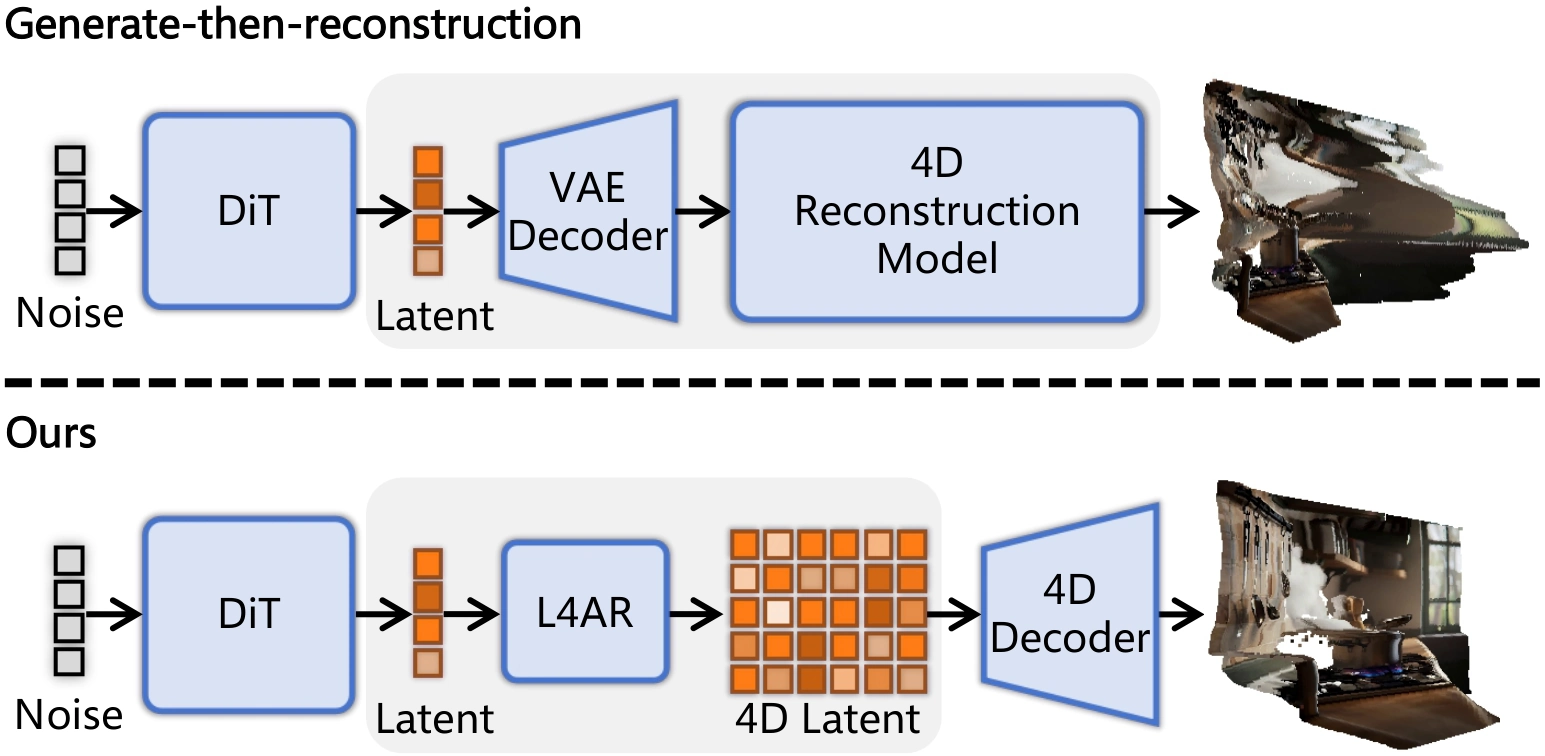
Comparison between decoding video to RGB before reconstruction and directly mapping a final video latent to a 4D latent
Two interfaces for generated 4D. RGB cascades decode and reconstruct; L4AR lifts the terminal video latent directly.

Framework

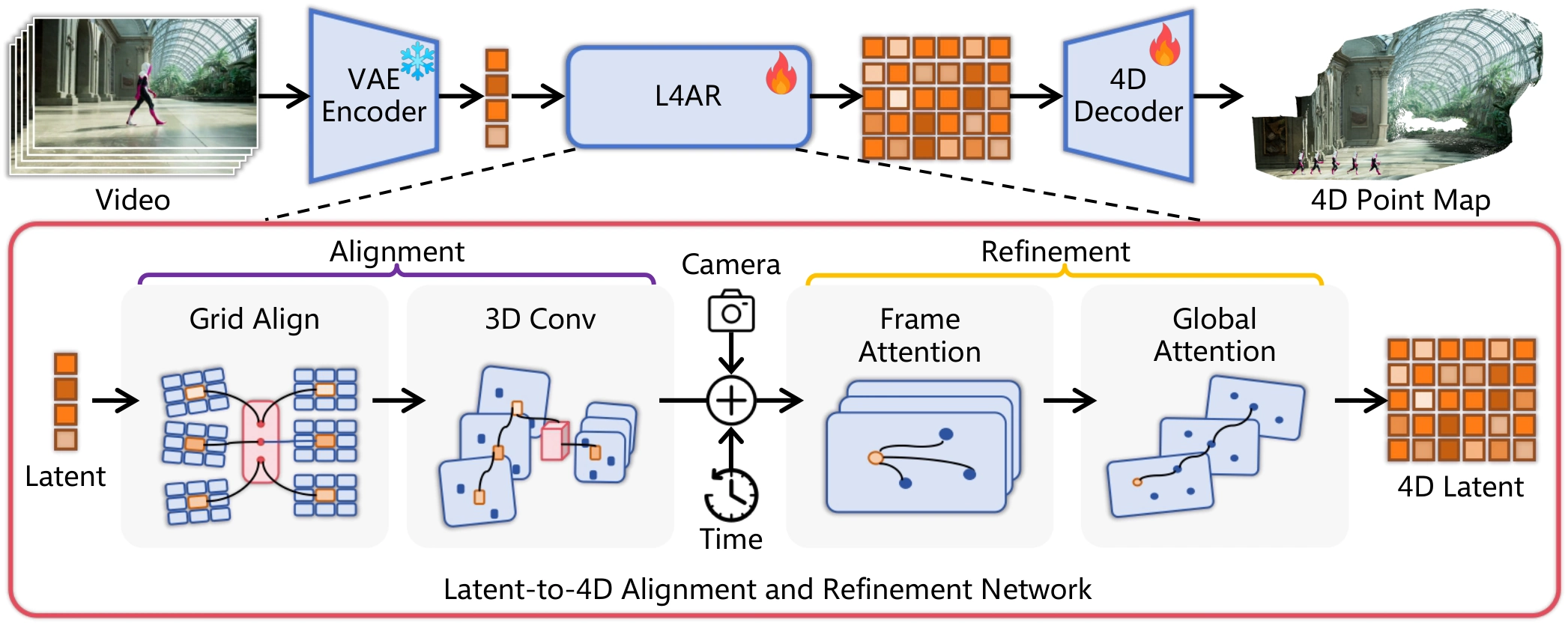
L4AR maps VAE-space video latents onto the token grid of a pretrained 4D decoder. During training it consumes observed-video latents; at inference the same pathway consumes terminal denoised latents from any compatible DiT.

Latent-to-4D training pipeline and L4AR architecture
Latent-to-4D training pipeline. A learned 3D alignment module, pretrained camera and time tokens, and alternating frame-wise/global attention refine the shared representation before camera and dynamic geometry prediction.

Applications

Without task-specific 4D retraining, the same checkpoint inherits conditioning and control signals from compatible video DiTs. These examples test interface transfer across generation, animation, trajectory control, and action-conditioned world modeling; they do not imply physical or task success.

Text-to-4D

Text-conditioned terminal latents are lifted into 81-frame cameras and dynamic world-space point maps.

Interactive 4D output
Text prompt

A cinematic photorealistic Stegosaurus crosses a monumental Victorian railway palace. Static wide three-quarter camera, continuous motion, no cuts.
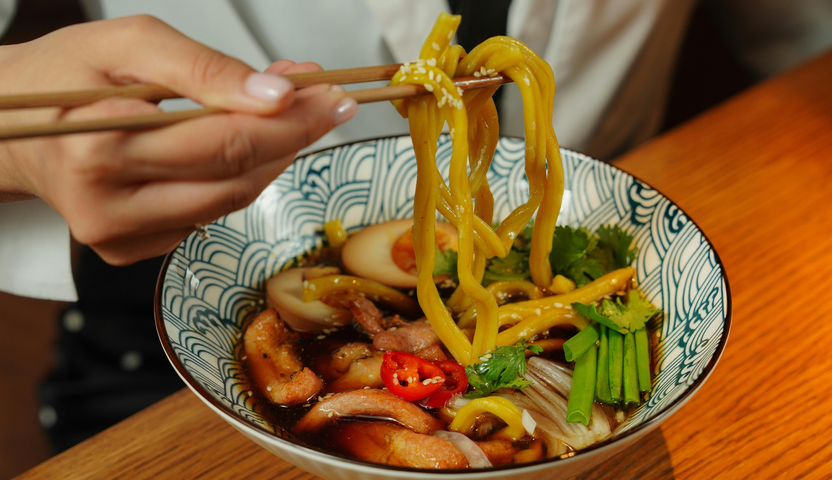
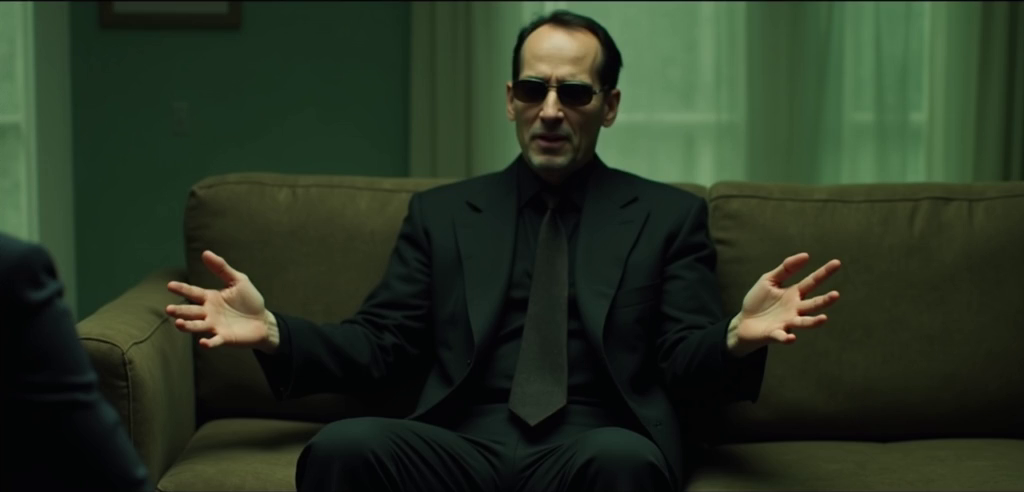
Image-to-4D

A first-frame image anchors appearance and layout while its I2V latent is lifted into a dynamic 4D scene.

Interactive 4D output
Reference image of a person lifting noodles from a bowl with chopsticks
First-frame image
Text prompt

A person holding chopsticks over a bowl of food.

Audio-Driven 4D Generation

A reference image and driving audio condition facial expression, body motion, and camera dynamics before latent-to-4D lifting.

Interactive 4D output
Official reference image of a suited man seated on a sofa
Reference image
Driving audio
Text prompt

A man in a suit leans forward on a sofa and speaks with a serious expression of concern.

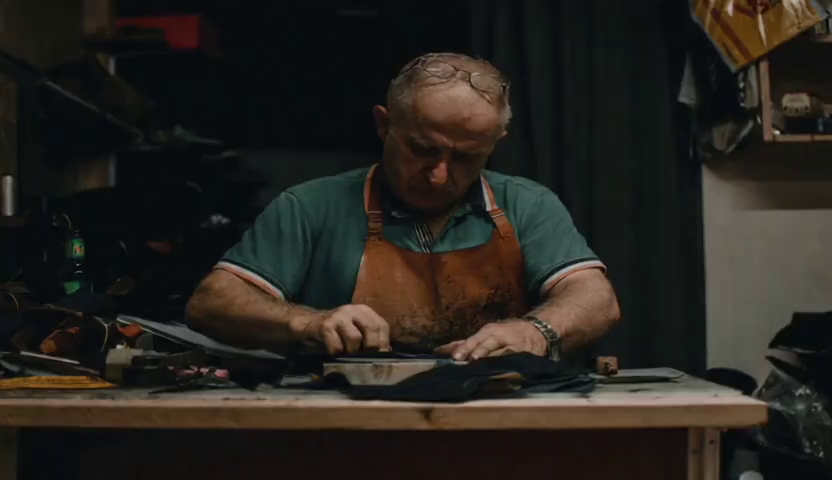
Video-As-Prompt 4D Generation

A reference image and demonstration video specify the target subject and transferable transformation.

Interactive 4D
Reference image of a leather craftsman at his workbench
Reference image
Video prompt
Text prompt

Target: the craftsman and workshop transform into cel animation. Reference: the meal undergoes the same transformation.

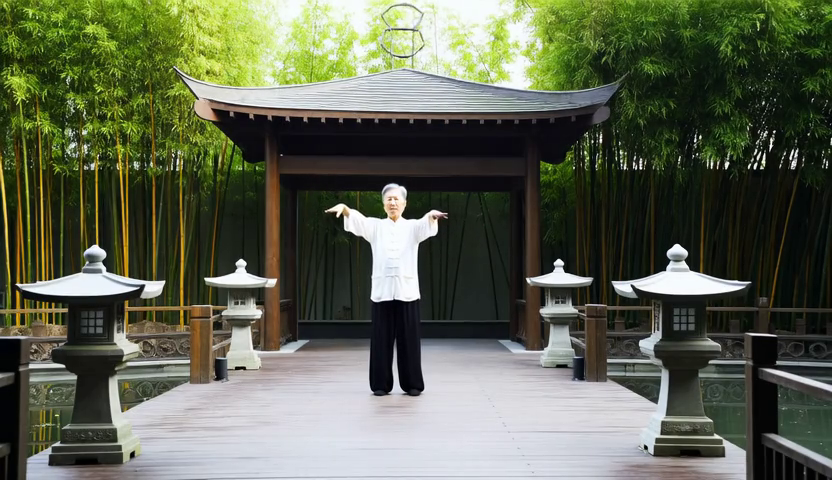
4D Character Animation

A character reference and driving performance define identity and motion for the shared 4D pathway.

Interactive 4D output
Reference image of the Tai Chi performer
Character image
Driving pose
Text prompt

The person performs the demonstrated motion.

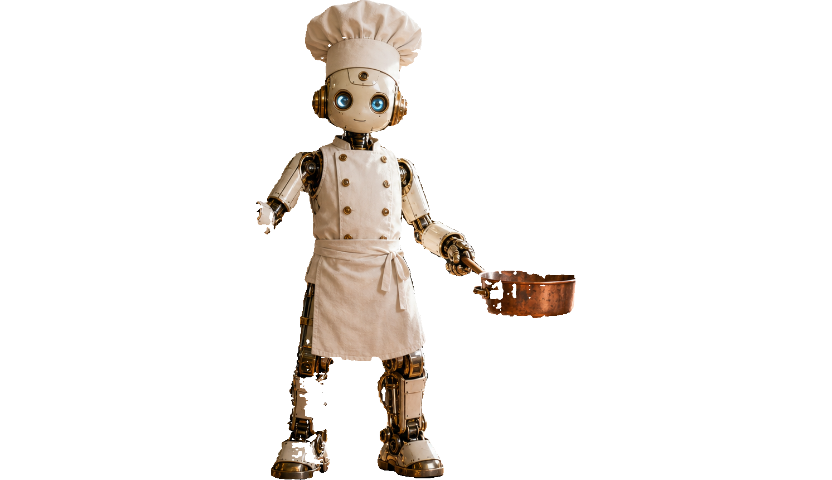
Pose-Controlled 4D Animation

A reference image establishes appearance while a skeleton sequence constrains pose over time.

Interactive 4D output
Reference image of the robot chef
Reference image
Skeleton control
Text prompt

A brass-and-porcelain robot chef performs a full-body routine while strictly following the pose condition.

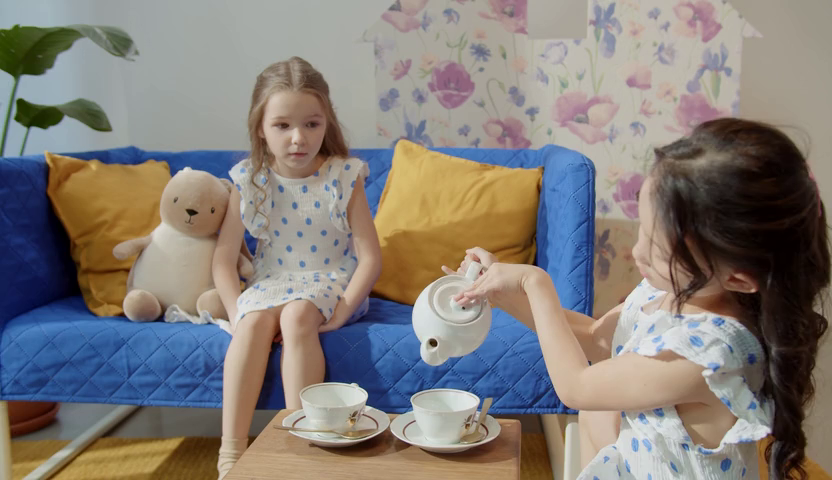
Motion-Controllable 4D Generation

Dense point trajectories steer scene motion from an image-conditioned initial state.

Interactive 4D output
Reference image of two children at a tea party
Reference image
Motion trajectories
Text prompt

Two little girls hold a tea party on a blue sofa; one pours tea for the other in a bright room.

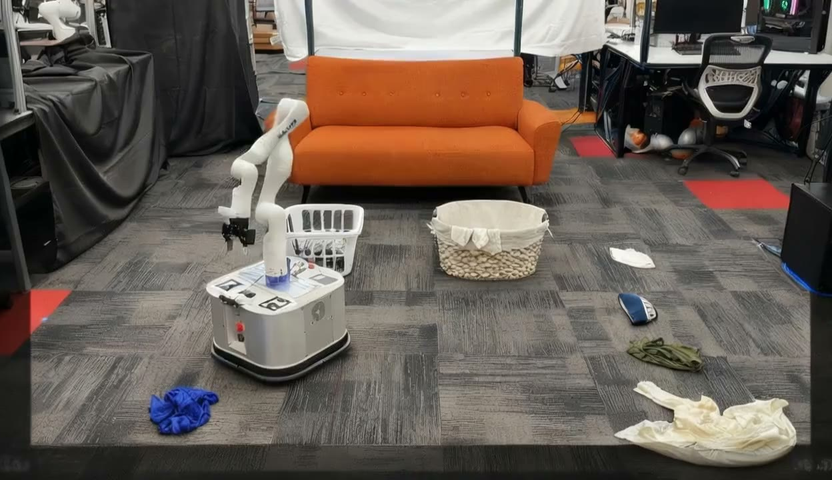
4D World Simulation for Robotic Manipulation

An initial scene and action instruction produce a manipulation latent that the unchanged L4AR pathway maps to a dynamic 4D rollout.

Interactive 4D output
Initial robot manipulation state
Initial state
Text prompt

Pick up the blue clothing and place it into the laundry basket.

More compatible video DiT applications remain open for 4D exploration.

Qualitative Comparisons

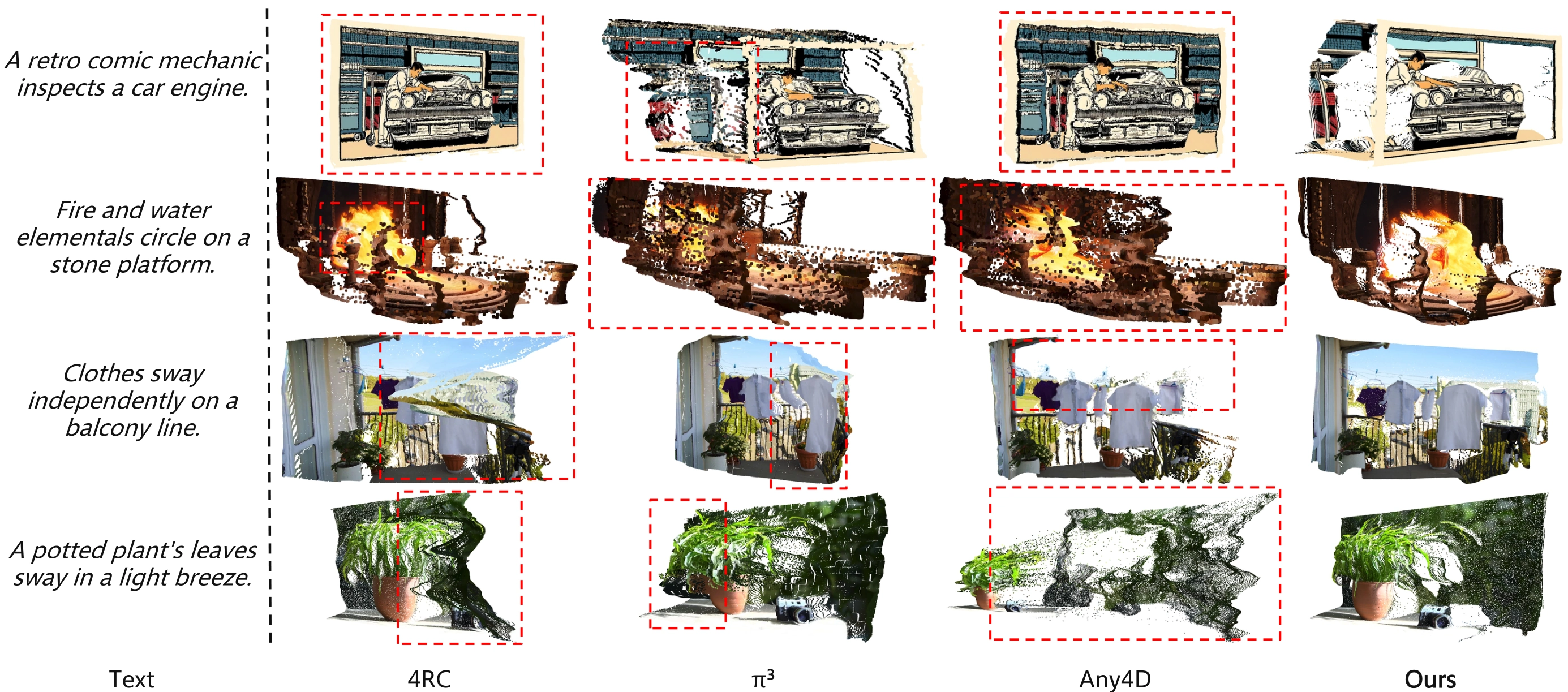
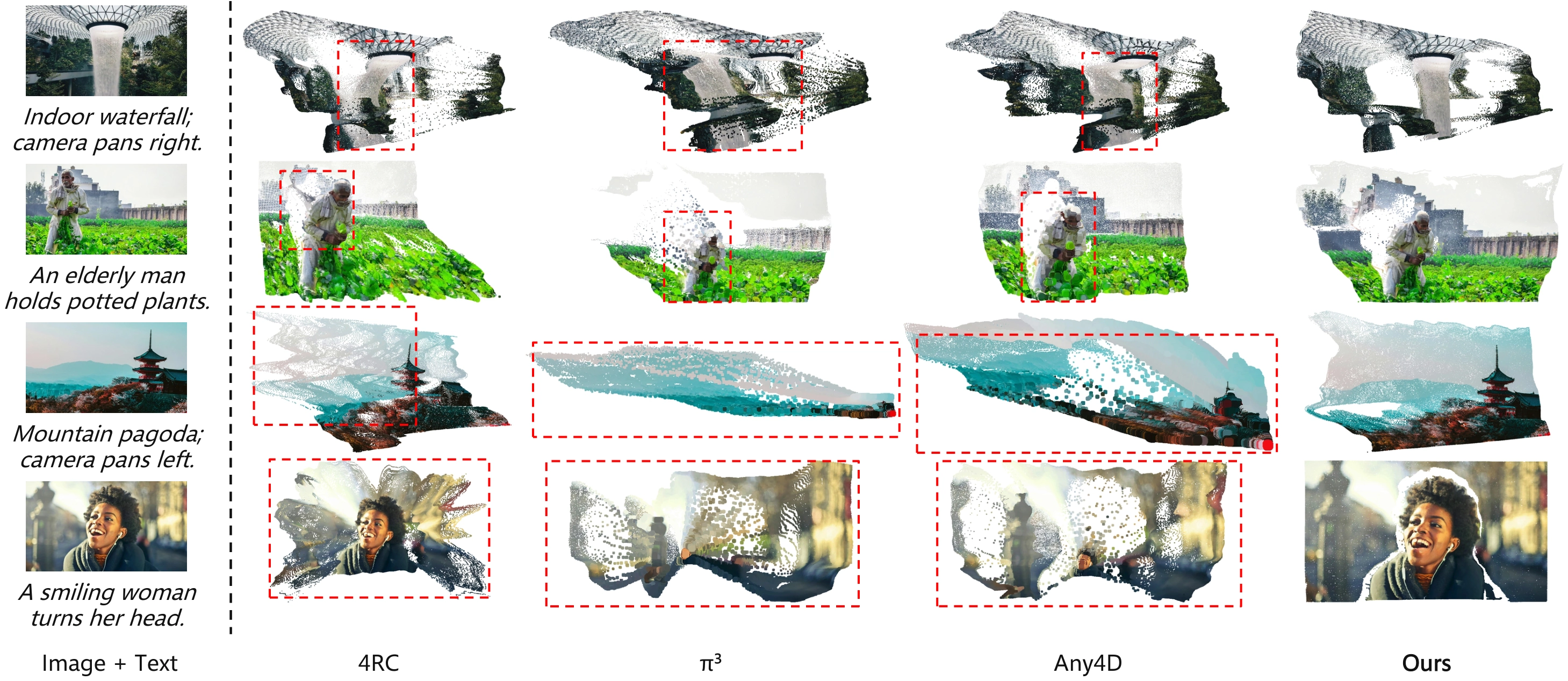
Controlled comparisons hold the generated Wan latent fixed: the RGB baseline decodes it before 4RC, while ours lifts it directly. Off-axis renderings expose visible surface support and completeness; they are projection-based evidence, not metric 4D geometry.

BibTeX

If you find this work useful, please cite:

@misc{liu2026pixelsvideopriors4d,
  title         = {Beyond Pixels: From Video Priors to 4D Worlds},
  author        = {Zihao Liu and Xiaolong Shen and Zhenglin Zhou and Ruijie Quan and Yi Yang},
  year          = {2026},
  eprint        = {2608.10744},
  archivePrefix = {arXiv},
  primaryClass  = {cs.CV},
  url           = {https://arxiv.org/abs/2608.10744}
}